

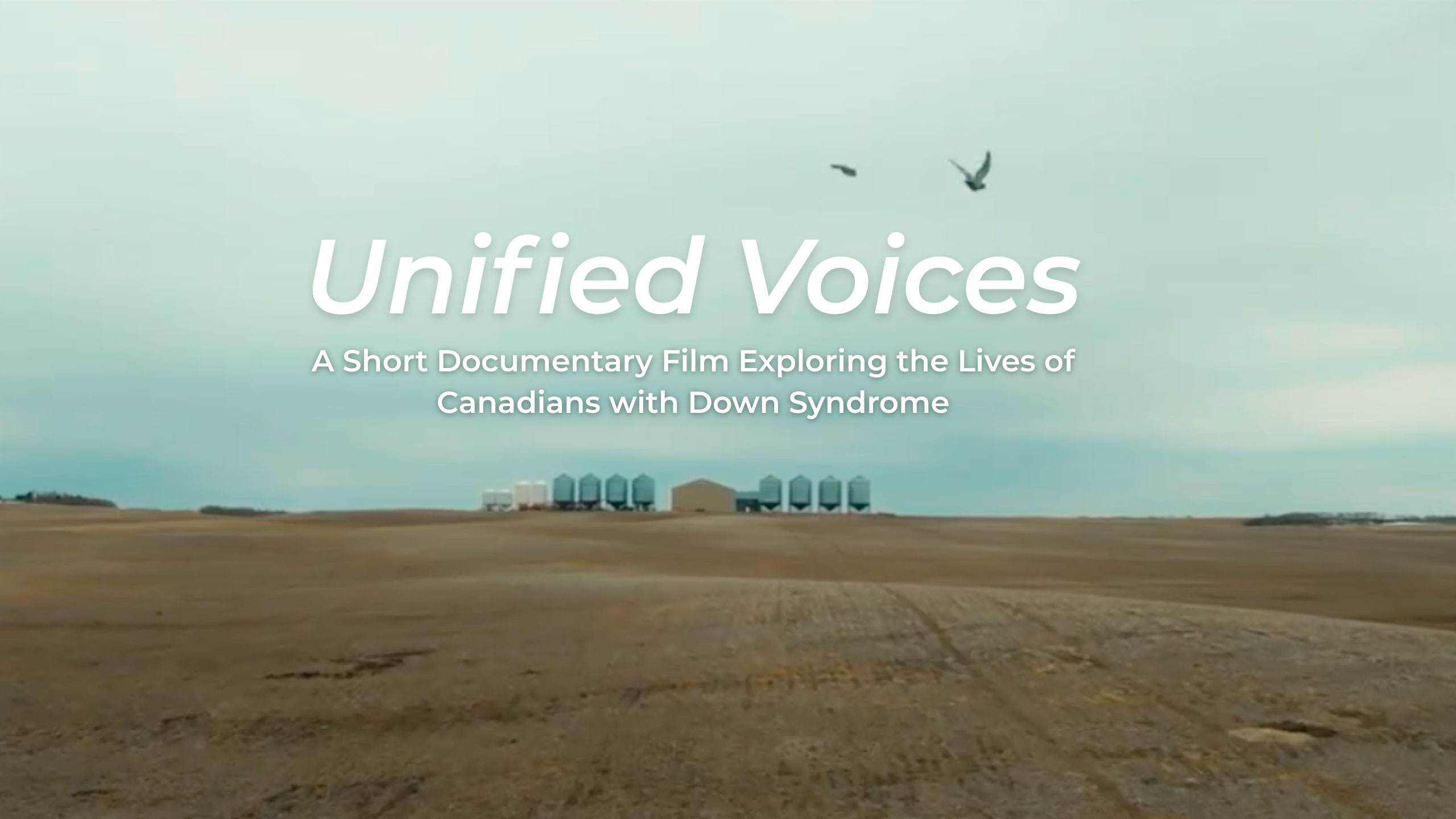
CDSS Launches Unified Voices, A New Documentary Exploring Diverse Experiences of Down Syndrome Across Canada
Directed by Moses Latigo Odida, the film challenges the “single story” of Down syndrome by exploring how culture, geography, race, and community shape lived experiences across the country
The Canadian Down Syndrome Society (CDSS) has launched Unified Voices, a new 45-minute documentary that explores the diverse lives and experiences of people with Down syndrome across Canada.
Premiering on UnifiedVoices.ca during National AccessAbility Week, the film follows six people with Down syndrome and their families from Windsor, Ontario; Moosomin, Saskatchewan; Sherbrooke, Quebec; Vancouver, British Columbia; Halifax, Nova Scotia; and London, Ontario.
Directed by Moses Latigo Odida, a Black filmmaker, caregiver, and father of a child with Down syndrome, the documentary intentionally centres communities that are often underrepresented in disability storytelling, including Black, Indigenous, 2SLGBTQIA+, new Canadian, Francophone, and rural families.
Unified Voices challenges the “single story” of Down syndrome by showing how culture, geography, race, language, and community shape very different lived experiences across the country. Families speak openly about bullying, isolation, migration, war, funding gaps, and barriers in schools and workplaces, alongside resilience, belonging, joy, and community.
“Historically, people with Down syndrome in Canada have often been represented through a narrow lens that doesn’t reflect the diversity of the community,” said Laura LaChance, Executive Director, CDSS. “This film brings forward stories that are rarely seen or heard and offers a more honest and complete understanding of life with Down syndrome in Canada.”
“During production, one of the strongest themes that emerged was the importance of community,” said Latigo Odida. “Whether in Vancouver, Moosomin, or Sherbrooke, people’s experiences are deeply shaped by the support, connection, and sense of belonging around them. Challenges can feel heavier in isolation, while joy and possibility grow through community.”
Featured stories include:
Jasmine “Jazzy” Ankamah, a young Black woman in Windsor, working at her family’s Ghanaian restaurant while advocating for greater independence and inclusion.
Carmelle Boutin in rural Saskatchewan, who has found employment, friendship and community through a local disability resource centre.
Élisabeth Faucher in Sherbrooke, Quebec, who leads an independent life working at a university and pursuing creative passions.
Marshall Wilcox in Vancouver, a basketball superfan navigating friendship and belonging.
Mykola Minilyuk in Halifax, part of a new Canadian family rebuilding their lives after fleeing the war in Ukraine.
Blake Shepley, part of an Indigenous family in London, Ontario, connecting disability, education, and culture through conversations around residential schools and reconciliation.
CDSS hopes the documentary will encourage Canadians to build more inclusive and connected communities.
“Everyone has a role to play in making their community more inclusive and accepting,” said LaChance. “We hope this film inspires people to take action, whether that means saying hello to someone new, attending a community event, volunteering, or simply helping someone feel like they belong.”
In addition to the documentary, CDSS is expanding access to educational resources through a new online Community Learning Centre created in partnership with the Down Syndrome Resource Foundation (DSRF) and the National Down Syndrome Society (NDSS). Beginning May 31, a range of courses for caregivers, self-advocates, and healthcare professionals, including training focused on mental wellness, relationships, sensory processing, autism, and healthcare for adults with Down syndrome, will be available free to the CDSS community through the end of 2026 at CDSS.ca/Community-Learning.
About the Canadian Down Syndrome Society
The Canadian Down Syndrome Society (CDSS) is a national non-profit organization that supports Canadians with Down syndrome and their caregivers at every stage of life. CDSS promotes inclusion and fosters societal change through advocacy, education, and awareness initiatives, working with individuals with Down syndrome to ensure they have the same rights and access to opportunities as everyone else. Learn more at CDSS.ca.
About Moses Latigo Odida
Moses Latigo Odida is a Ugandan-born Canadian filmmaker living in London, Ontario, with his wife and young daughter, who has Down syndrome. Moses has always embraced the power of storytelling and the cultural significance it holds for him. As a Black caregiver in the Down syndrome community, Moses has a deep personal connection to this project and the families he had the honour of meeting. Moses has worked on previous films in the space, including DOWN, a mini-series depicting the experience of Black caregivers in Canada. He continues his exploration of diversity within the Down syndrome community with the stories told in Unified Voices.
Comments
Comments